

Protection Yourself From The Sun
Spending time outdoors is one of the simple things we look forward to, barbecues, alfresco dinner parties or simply a drink with family and friends.

A fee-free basic bank account may be worth considering if you don’t have a bank account or can’t use or open a standard current account. You can use a fee-free basic bank account to receive money and pay bills, but it doesn’t allow you to use an overdraft.
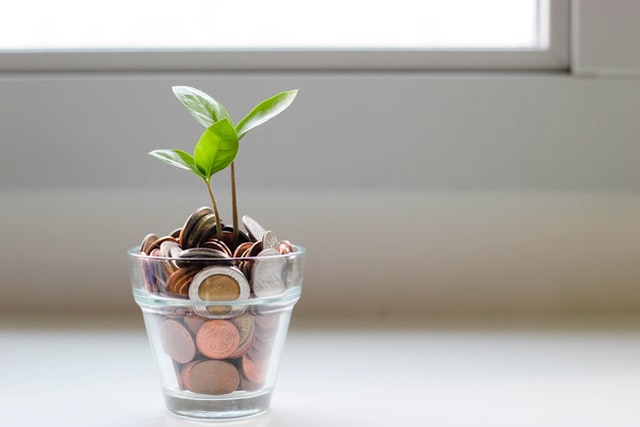
Fee-free basic bank accounts offer fewer services than a standard current account, but you can:
- Have your wages, benefits and other income paid into your account.
- Pay in money and cheques for free (as long as they’re not in a foreign currency).
- Take out money over the counter or from a cash machine.
- Pay regular bills by Direct Debit or standing order.
- Check account balances over the counter, at a cash machine, online or on your mobile.
- Use a debit card to pay for things in shops and online.
You need to be at least 16 to open a fee-free basic bank account, although for some accounts the minimum age is 18.
You don’t need to have a good credit history. Because fee-free basic bank accounts don’t allow you to go overdrawn, you don’t need to pass a credit check when you open the account. If you’ve had money problems, including bankruptcy, a fee-free basic bank account can be a good way to help improve your credit score until you qualify to open standard current account.
You will have to provide official proof of identity (ID) before you can open a fee-free basic bank account. You might also have to confirm your address.

__thumb__120x120__70__a960ee47ff3b39dd79c65d0b2f96a706.jpg)