


Protection Yourself From The Sun
Spending time outdoors is one of the simple things we look forward to, barbecues, alfresco dinner parties or simply a drink with family and friends.

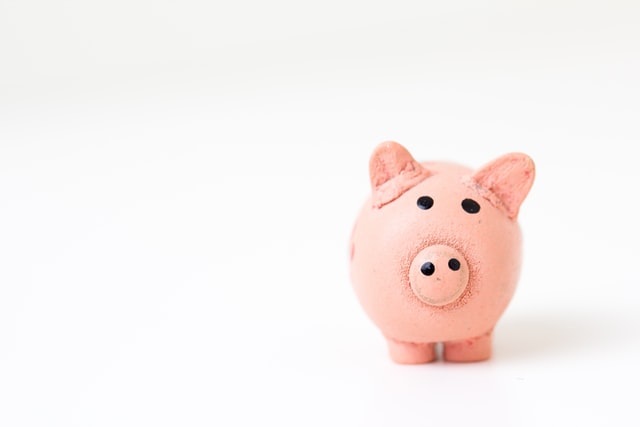
A savings account is simply an account for you to put money in and earn interest. Where bank accounts have more bells and whistles, letting you withdraw cash, pay bills and use a debit card to spend, savings accounts are solely there for you to earn interest.
Savings interest is paid tax-free, and most won't pay any tax on it at all. Basic-rate taxpayers can earn £1,000/year tax-free and higher-rate taxpayers £500, so it's only those with very large amounts of savings who would need to worry about this – and that's less than 5% of us.
There are many different types of savings account and if you're not sure what each one does; the choice can be confusing.
Some tips for choosing the right savings account and the best savings rates -
If the interest cost of your debt is more than you would earn on savings, you're better off paying down the debt.
If your mortgage rate is higher than the savings rate and you can spare the cash, overpaying is a solid financial decision.
Easy access accounts let you make withdrawals at will (though some do limit the total number you can make per year).
A fixed-rate account is just a savings account where the amount you earn is set in stone over a fixed time period.
The Government's Help to Save scheme is designed to encourage people claiming universal credit or working tax credits to save. It pays a 50% bonus on the amount saved, up to a maximum bonus of £1,200 over four years.

__thumb__120x120__70__a960ee47ff3b39dd79c65d0b2f96a706.jpg)